When a tooth is damaged, infected, cracked, or loose, one of the first questions patients often ask is: “Can my tooth be saved, or do I need a dental implant?”
The answer depends on the condition of the tooth, the surrounding gums and bone, and your overall oral health. In many cases, preserving a natural tooth may be possible. In other situations, removing the tooth and discussing a replacement option may provide a more predictable long-term solution.
Can My Natural Tooth Be Saved?
Whenever possible, preserving a natural tooth may be considered. Depending on the condition of the tooth, treatment could include a filling, crown, root canal, or periodontal treatment.
However, several factors can affect whether a tooth can be predictably restored.
Extensive Decay
If decay has destroyed a significant amount of healthy tooth structure, there may not be enough remaining tooth to support a restoration.
Cracks or Fractures
Some cracked teeth can be treated, while others have fractures that extend into areas where the tooth cannot be predictably restored. The location and severity of the fracture are important considerations.
Infection
A tooth with an infection may sometimes be treated with root canal therapy. However, if the tooth cannot be adequately treated or the infection continues to recur, extraction may need to be considered.
Bone or Gum Loss
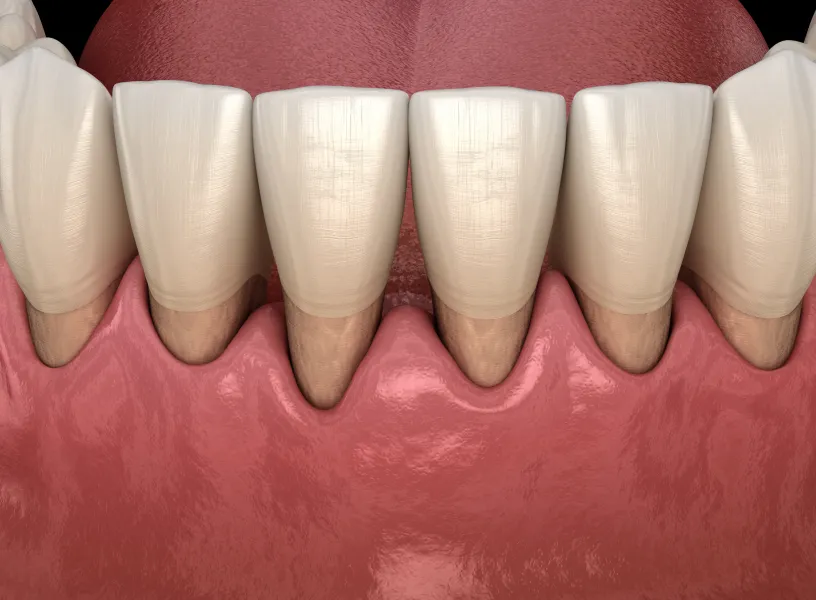
The health of the tissues supporting a tooth matters just as much as the tooth itself. Advanced periodontal disease can result in significant bone loss and affect the long-term stability of a tooth.
When Might an Extraction Be Recommended?
If a tooth has extensive damage, severe fracture, advanced loss of supporting bone, or another condition that makes predictable treatment unlikely, extraction may be recommended.
But removing the tooth is only one part of the treatment plan.
The next question becomes: How should the missing tooth be replaced?
What Are My Options If My Tooth Can't Be Saved?
Depending on your situation, there are several ways to replace a missing tooth.
Dental implants replace the root of a missing tooth and can support a crown or other restoration.
Dental bridges replace a missing tooth using neighboring teeth for support.
Removable partial dentures can replace one or more missing teeth with a removable appliance.
The appropriate option depends on factors such as your oral health, bone structure, the number of missing teeth, and your treatment goals. We compare these in more detail in our guide to options for replacing a missing tooth.
What If My Tooth Is Loose?
A loose tooth doesn't automatically mean that it needs to be removed.
Tooth mobility can have several causes, including periodontal disease, infection, trauma, or loss of supporting bone. Identifying the underlying cause is an important first step.
In some cases, treating the underlying condition may help preserve the tooth. In others, the damage may be too advanced for predictable treatment.
Why Does Timing Matter?
If a tooth does need to be removed, it's helpful to discuss replacement options as part of the treatment plan.
After tooth loss, the surrounding jawbone can gradually change because the natural tooth root is no longer stimulating the bone. Depending on the individual, this may affect future implant treatment and whether procedures such as bone grafting are needed.
This doesn't mean every missing tooth needs to be replaced immediately, but an evaluation can help you understand your options before additional changes occur.
How Do You Know Which Option Is Right for You?
The decision to save a tooth or replace it with a dental implant shouldn't be based on symptoms alone.
A comprehensive evaluation may include an examination of the tooth and surrounding tissues, an assessment of your gums and supporting bone, dental X-rays or 3D imaging when appropriate, and a discussion of your overall oral health and treatment goals.
The goal is to determine whether the tooth can be predictably maintained and, if not, what replacement options may be appropriate.
The right treatment starts with the right diagnosis.
Considering Your Options?
If you're dealing with a damaged, painful, loose, or failing tooth and aren't sure what your next step should be, schedule a comprehensive evaluation with The Dental Implant Studio of Houston and we can help you understand your options.
The Dental Implant Studio of Houston is led by Dr. Ernest Erian, a board-certified periodontist and implant specialist. We see patients at our Sugar Land office and welcome patients from Missouri City and the greater Houston area.
Related posts
Like this post? Check out a few of our others, or reach out to book your consultation.
Restore Your Smile Today
Experience the benefits of our restorative care services and regain your confidence.
.webp)