Explore Our Latest Insights
Stay updated with expert dental insights and tips.
Featured Blog Posts
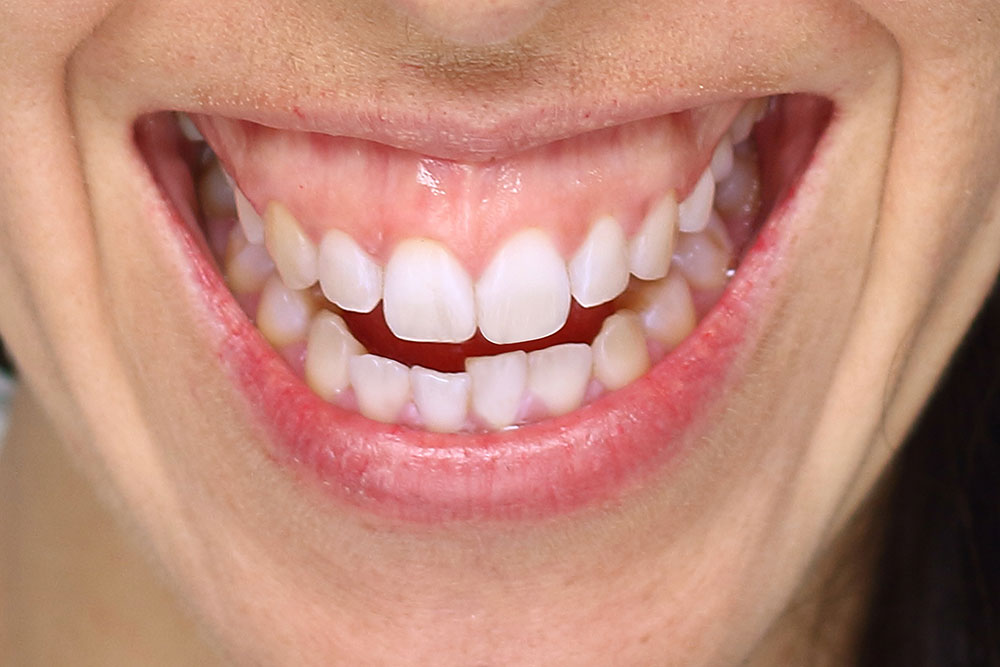
Gummy Smile Solutions: How Gum Contouring Can Reshape Your Confidence
Table of Contents
- What Is a Gummy Smile?
- Why Do Some People Have a Gummy Smile?
- Does a Gummy Smile Affect Oral Health?
- What Is Gum Contouring?
- Is Gum Contouring Right for Me?
- Other Gummy Smile Treatments
What Is a Gummy Smile?
A gummy smile is a smile that shows an excessive amount of gum tissue above the upper teeth. While this is purely a cosmetic issue and not harmful in most cases, many people feel self-conscious about how their smile looks in photos or everyday interactions.
If you’ve ever felt like your gums are “taking over” your smile, you’re not alone—and there are effective options to reshape and enhance your natural expression.
Why Do Some People Have a Gummy Smile?
There are a few reasons why your smile might appear “gummy”:
- Excess gum tissue that covers a larger portion of your teeth
- Short upper lip that lifts high when smiling
- Small or worn-down teeth that look smaller in proportion
- High lip mobility or genetic factors that expose more of the gums
Understanding the cause is important, because it helps determine the best treatment option—whether it’s gum contouring or another approach.
Does a Gummy Smile Affect Oral Health?
In most cases, a gummy smile is primarily a cosmetic concern, but in some situations, excessive gum coverage can make it harder to clean your teeth effectively, leading to plaque buildup and increased risk for gum disease.
That’s why many patients seek treatment—not just to improve appearance, but also to maintain long-term gum and tooth health.
What Is Gum Contouring?
Gum contouring, also called gingival sculpting or laser gum reshaping, is a cosmetic dental procedure designed to correct a gummy smile by carefully removing excess gum tissue and reshaping the gum line for a more symmetrical and aesthetically pleasing smile.
At The Dental Implant Studio of Houston, we use state-of-the-art laser technology to perform gum contouring with precision, comfort, and minimal recovery time.
Benefits of Gum Contouring:
- Improves balance between teeth and gums
- Creates a fuller, more natural-looking smile
- Enhances symmetry
- Boosts confidence in both professional and social settings
Is Gum Contouring Right for Me?
You may be a good candidate for gum contouring if:
- You’re bothered by the appearance of your gums
- You feel your teeth look too small or uneven
- You want to enhance your smile without major dental work
- You’re in generally good oral health
The procedure is typically completed in one visit, with visible results that last for years. Most patients experience minimal discomfort and are able to return to regular activities within 24 hours.
Other Gummy Smile Treatments
While gum contouring is one of the most effective and lasting treatments, it’s not the only option.
Depending on the cause of your gummy smile, other solutions might include:
- Botox for gummy smile: A non-surgical option that relaxes the upper lip, reducing how high it lifts when smiling.
- Orthodontics or veneers: May help in cases where teeth are small or improperly positioned.
- Crown lengthening: Involves removing gum tissue and possibly bone to expose more of the tooth.
Each treatment has its own benefits and ideal use cases. Our team can help you explore the right solution during a personalized consultation.
Final Thought: Elevate Your Smile with Cosmetic Gum Treatment in Missouri City and Beyond
You deserve to feel confident every time you smile. If you’re struggling with a gummy smile and want a lasting, transformative solution, gum contouring may be the answer. At The Dental Implant Studio of Houston, we’re proud to offer cosmetic gum treatments that combine advanced technology with artistic precision to create balanced, beautiful smiles.
We serve patients throughout Missouri City, Sugar Land, and the Houston metro area, and we’d love to help you explore your options. Whether you’re interested in laser gum contouring, Botox for gummy smile, or a custom combination of treatments, we’ll help you find the right fit.
Schedule a consultation today—and let your smile shine with confidence.
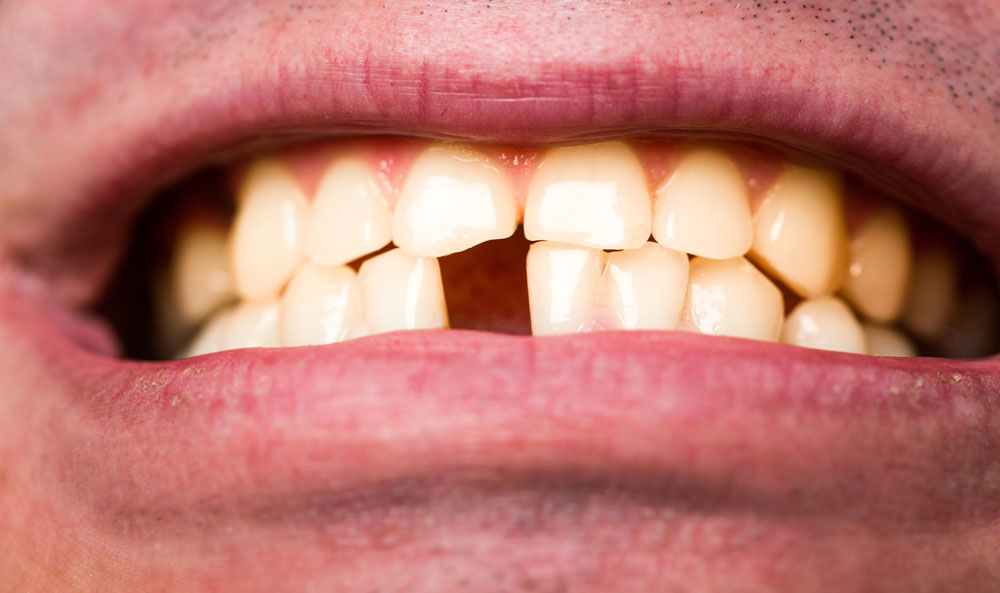
Table of Contents
- Recognizing the Early Signs of Tooth Loss
- What Causes Loose Teeth in Adults?
- Tooth Loss and Its Impact on Oral Health
- How Dental Implants Work
- All-on-4 Implants and Full-Mouth Restoration
- What to Expect from the Dental Implant Process
Recognizing the Early Signs of Tooth Loss
A loose tooth in adults isn’t just unsettling—it’s a signal that something deeper may be affecting your oral health. While children lose teeth as part of normal development, loose or shifting adult teeth are typically caused by gum disease, bone loss, or untreated tooth infections.
Other early signs that may precede or accompany tooth loss include:
- Persistent toothache or jaw pain
- Gum recession or inflammation
- Difficulty chewing or biting
- Sensitivity to pressure or temperature
What Causes Loose Teeth in Adults?
Adult tooth mobility can be caused by a range of factors, often tied to advanced periodontitis. Other causes include:
- Bone loss due to chronic infection
- Trauma or injury to the tooth or jaw
- Bruxism (teeth grinding)
- Severe tooth decay
- Failed dental work or long-standing restorations
In many cases, catching these issues early can prevent full tooth loss. However, once the tooth is no longer viable, dental implants become the gold standard for restoration.
Tooth Loss and Its Impact on Oral Health
Beyond aesthetics, tooth loss can lead to a cascade of other issues:
- Bone loss in the jaw
- Shifting of surrounding teeth
- Collapsed bite or altered facial structure
- Impaired speech or chewing function
- Increased risk of gum disease and further decay
The good news? Modern dentistry offers permanent solutions that not only restore your smile but improve your long-term oral health.
How Dental Implants Work
Dental implants are titanium posts that replace missing tooth roots. These posts are surgically embedded into the jawbone, providing a stable foundation for crowns, bridges, or dentures.
Why implants?
- Look, feel, and function like natural teeth
- Preserve bone structure
- Prevent further tooth shifting
- Restore bite strength and confidence
Implants are more than a cosmetic fix—they’re a comprehensive solution to prevent future dental complications.
All-on-4 Implants and Full-Mouth Restoration
If you’re missing most or all of your teeth, All-on-4 implants or All-on-6 options may be ideal.
These innovative systems allow a full arch of prosthetic teeth to be supported by just 4–6 strategically placed implants, dramatically improving stability, comfort, and affordability compared to traditional dentures.
Benefits of All-on-4 Dental Implants:
- Immediate functionality in many cases
- Strong, stable bite
- No need for adhesives
- Preserves jawbone health
- Natural-looking results
Whether you're replacing one tooth or many, implant-supported restorations are a life-changing solution.
What to Expect from the Dental Implant Process
At The Dental Implant Studio of Houston, we customize every implant plan to match the unique needs of our patients. Here’s a typical implant journey:
- Initial Consultation – Includes digital imaging and evaluation of bone health
- Implant Placement – Performed with precision and care using the latest surgical techniques
- Healing Period – Osseointegration (bone fusing with the implant) takes several weeks to months
- Restoration – A custom-made crown, bridge, or denture is securely attached
- Ongoing Care – Includes hygiene visits and long-term checkups
Our team is here to guide you at every step with comfort, clarity, and confidence.
In Closing: Restore Your Smile with Dental Implants in Missouri City, Sugar Land, and Houston
Tooth loss doesn’t have to be the end of your smile—it can be the beginning of something stronger, healthier, and more beautiful. At The Dental Implant Studio of Houston, we specialize in dental implants and All-on-4 restorations for patients across Missouri City, Sugar Land, and the greater Houston area.
If you’re dealing with a loose tooth, experiencing jaw pain, or considering a full mouth restoration, we’re here to help. Our expert team uses advanced technology and compassionate care to deliver results that last a lifetime.
Book your consultation today—and let’s rebuild your smile, one strong foundation at a time.

When Gum Symptoms Go Deeper: Spotting and Treating Advanced Periodontal Disease
Table of Contents
- The Early Warning Signs of Gum Trouble
- What Causes Gum Disease?
- From Gingivitis to Periodontitis: How Gum Disease Progresses
- Common Symptoms of Advanced Gum Disease
- Effective Treatments: Scaling and Root Planing
- What to Expect During Treatment
The Early Warning Signs of Gum Trouble
Your gums are trying to tell you something—are you listening?
Mild symptoms like bleeding gums, swollen tissue, or gum tenderness may seem harmless, but they often indicate early stages of gum disease. Left untreated, these signs can lead to infection, bone loss, and even tooth loss.
That’s why understanding the symptoms of gum disease is key to preventing more serious oral health issues.
What Causes Gum Disease?
At its root, gum disease is caused by plaque—a sticky film of bacteria that builds up on your teeth. Without daily brushing, flossing, and routine cleanings, this plaque hardens into tartar and begins to damage the soft tissue and bone supporting your teeth.
Other contributing factors include:
- Poor oral hygiene
- Smoking or tobacco use
- Genetic predisposition
- Poor nutrition or systemic illnesses
- Hormonal changes (especially during pregnancy or menopause)
From Gingivitis to Periodontitis: How Gum Disease Progresses
There are two main stages of gum disease:
- Gingivitis: Characterized by mild inflammation and bleeding during brushing or flossing. This stage is reversible with improved hygiene and professional care.
- Periodontitis: A more advanced stage where gums pull away from the teeth, forming pockets that trap bacteria. This can lead to gum abscesses, bone deterioration, and even tooth loss.
Common Symptoms of Advanced Gum Disease
If you're experiencing multiple symptoms, it’s likely that gum disease has progressed. Be aware of these signs:
- Persistent bleeding gums
- Receding gums, making teeth look longer
- Gum abscesses or painful swelling
- Gum lesions or ulcer-like patches
- Chronic bad breath
- Tooth mobility or sensitivity
Many patients delay treatment until these symptoms worsen—don't wait.
Effective Treatments: Scaling and Root Planing
When caught in time, scaling and root planing can halt the progression of gum disease and promote healing.
What is Scaling and Root Planing?
This non-surgical procedure—often referred to as a “deep cleaning”—involves:
- Scaling: Removal of plaque and tartar from above and below the gumline.
- Root Planing: Smoothing the root surfaces to prevent future buildup and help gums reattach to the tooth.
It’s one of the most effective first-line treatments for managing periodontitis and restoring gum health.
What to Expect During Treatment
At The Dental Implant Studio of Houston, your comfort is our priority. Here's what you can expect from a scaling and root planing appointment:
- A comprehensive periodontal exam
- Local anesthesia for comfort
- Deep cleaning performed over one or more sessions
- Post-treatment care instructions and follow-up
After treatment, mild soreness or sensitivity is common—but this fades quickly, leaving your gums cleaner, healthier, and far less inflamed.
Bonus tip: Consider more frequent cleanings after treatment (every 3–4 months) to keep bacteria under control.
In Closing: Expert Gum Disease Treatment in Missouri City, Sugar Land, and Houston
Gum disease doesn’t have to lead to tooth loss or costly surgeries. With early detection and proper treatment like scaling and root planing, you can reverse the course of infection and restore your oral health.
At The Dental Implant Studio of Houston, we specialize in advanced periodontal care—providing trusted treatment for bleeding gums, gum abscesses, and periodontitis throughout Missouri City, Sugar Land, and the Houston area. If you're looking for a dentist for bleeding gums or seeking deep cleaning teeth services near you, we’re here to help.
Our mission is simple: healthier gums, brighter smiles, and confident living. Schedule your consultation today and take the first step toward relief.

Healthy Gums Matter: Understanding Symptoms, Conditions, and Treatment Options
Table of Contents
1. Why Healthy Gums Are Essential
2. Common Gum Symptoms You Shouldn’t Ignore
3. Understanding Gum Disease and Other Periodontal Conditions
4. Effective Treatments for Gum Disease
Why Healthy Gums Are Essential
Your gums do more than hold your teeth in place—they are a vital part of your oral and overall health. When gums are neglected, seemingly minor symptoms can escalate into serious conditions like gum disease, tooth loss, and even bone deterioration. Healthy gums also contribute to a radiant smile, fresh breath, and long-lasting dental function.
Common Gum Symptoms You Shouldn’t Ignore
Ignoring early signs of gum issues can lead to more serious dental and health complications. Here are a few symptoms that may indicate a developing problem:
- Gum Inflammation – Swelling or redness around the gum line is often the first sign of gingivitis or periodontal disease.
- Receding Gums – Exposed tooth roots can signal gum recession, which can cause sensitivity and increase your risk of decay.
- Bleeding Gums – Gums that bleed when brushing or flossing are not normal and often point to inflammation or early gum disease.
Each of these symptoms has a root cause—and in many cases, effective treatments.
Understanding Gum Disease and Other Periodontal Conditions
Gum disease, also known as periodontal disease, is a progressive condition caused by bacterial buildup around the gums. It begins with gingivitis (mild inflammation) and can escalate to periodontitis if untreated, affecting the bone and tissue that support your teeth.
If you're noticing persistent symptoms like bleeding gums, gum recession, or inflamed tissue, you're likely dealing with some stage of this condition. Other complications that may stem from or worsen gum disease include:
- Tooth sensitivity
- Persistent bad breath
- Bone loss around teeth
Effective Treatments for Gum Disease
When caught early, gum disease is highly treatable. At The Dental Implant Studio of Houston, we offer a range of modern, minimally invasive treatments tailored to each patient’s needs.
Gum Grafts
A gum graft is used to restore gum tissue lost to recession. This procedure not only improves aesthetics but also protects tooth roots and reduces sensitivity. Depending on your case, grafts can be sourced from your own palate or from donor tissue.
Benefits:
- Covers exposed roots
- Prevents further recession
- Enhances smile appearance
Receding Gums Treatment
There’s no one-size-fits-all solution for receding gums, but options include scaling and root planing, gum grafts, and improved oral hygiene. At The Dental Implant Studio of Houston, we evaluate the severity and recommend personalized treatment to stop the progression and restore gum health.
How to Stop Bleeding Gums
Bleeding gums often result from inflammation or poor brushing technique. However, persistent bleeding could be a sign of advanced gum disease. Professional cleanings, improved home care, and—in some cases—scaling and root planing are effective solutions.
Tips to reduce bleeding:
- Use a soft-bristled toothbrush
- Floss gently but regularly
- Schedule a periodontal evaluation
When to See a Periodontist
Many people delay seeing a specialist, assuming their symptoms will go away on their own. However, if you experience any of the following, it’s time to schedule a visit:
- Persistent bleeding gums
- Teeth appearing longer due to gum recession
- Gum discomfort or swelling that doesn't resolve
- Family history of periodontal issues
At The Dental Implant Studio of Houston, our board-certified periodontist uses advanced diagnostic tools to catch and treat issues early—often preventing the need for more invasive procedures later on.
Conclusion: Reclaim Your Gum Health
Your gum health is too important to ignore. Whether you're dealing with bleeding gums, looking for receding gums treatment, or considering a gum graft, the team at The Dental Implant Studio of Houston is here to help. We specialize in advanced periodontal care using the latest techniques and technologies to ensure comfort, effectiveness, and lasting results.
If you’re in Missouri City, Sugar Land, or the Houston area, and you’re searching for a trusted periodontist or gum disease treatment near you, we invite you to experience the difference. Your journey to healthier gums—and a healthier smile—starts here. Contact us to get started.
All Articles
What Is Tartar?
What Is Tartar?
Tartar, also known as dental calculus, is more than just a cosmetic issue—it’s a hardened buildup on your teeth that can lead to serious dental health problems if left untreated. While it starts as soft plaque, tartar is what happens when that plaque isn’t removed and has a chance to calcify. This guide will walk you through everything you need to know about tartar, including how it forms, how it affects your teeth and gums, and when it might be time to consult an expert such as a periodontist or implant specialist.
Table of Contents
- What Is Tartar?
- What Causes Tartar?
- How Does Tartar Affect Teeth and Gums?
- How Can I Prevent Tartar?
- What Can I Do at Home to Help with Tartar?
- When Do I Need an Expert to Help with Tartar?
What Is Tartar?
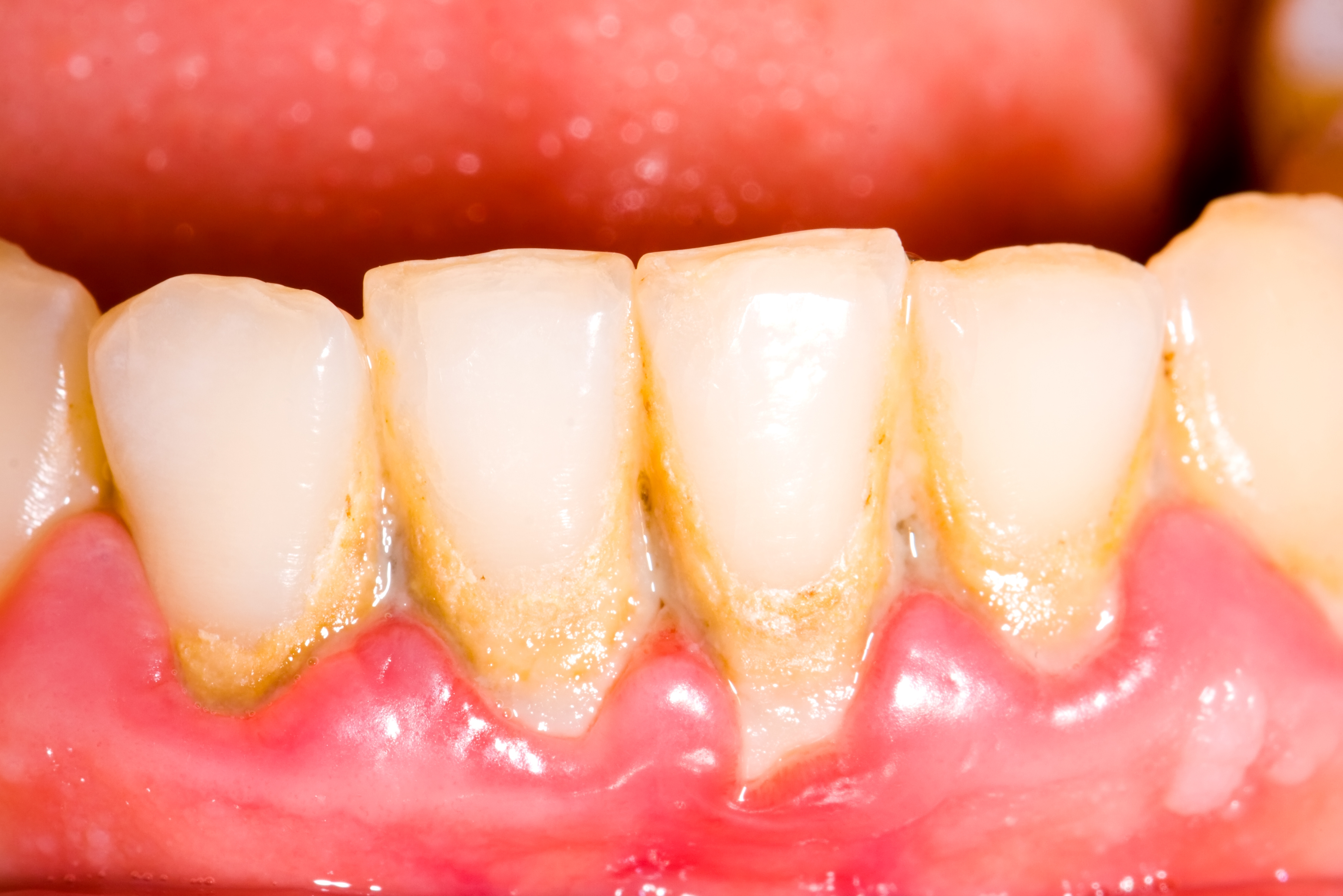
Tartar is a hard, yellow or brown substance that forms on the surface of your teeth and below the gumline. It starts as plaque—a sticky film made of bacteria, food particles, and saliva. If plaque isn’t brushed and flossed away daily, it begins to harden within 24 to 72 hours, turning into tartar.
Once tartar forms, it cannot be removed by brushing or flossing and requires professional dental tools for removal. It's especially concerning when it builds up below the gumline, where it can silently cause damage to the gums, roots of the teeth, and even the supporting bone structure.
What Causes Tartar?
Tartar formation is the result of plaque buildup that isn’t removed in time. Several factors can contribute to how quickly and heavily tartar forms:
- Poor brushing and flossing habits
- Diets high in sugars and starches
- Smoking or chewing tobacco
- Dry mouth or reduced saliva production
- Skipping regular dental cleanings
- Orthodontic appliances that make hygiene difficult
Everyone has bacteria in their mouth, but not everyone forms tartar at the same rate. Some people naturally have a higher mineral content in their saliva, making them more prone to tartar buildup.
How Does Tartar Affect Teeth and Gums?
While tartar may seem like just a cosmetic issue at first, it can lead to serious oral health complications:
- Gum Inflammation (Gingivitis): Tartar irritates the gums, causing redness, swelling, and bleeding. This is the first stage of gum disease.
- Periodontal Disease: If gingivitis progresses, the tartar below the gumline creates pockets of infection. This damages the soft tissue and can lead to bone loss.
- Tooth Decay: Tartar traps bacteria against the teeth and gums, making it easier for cavities to develop.
- Bad Breath: The bacteria in tartar produce foul-smelling compounds.
- Tooth Loss: In advanced cases, the bone and tissue supporting your teeth can deteriorate, resulting in loose teeth or tooth loss.
- Complications with Implants: If you’re considering or already have dental implants, tartar and gum disease can compromise the health of surrounding tissues and the implant itself.
How Can I Prevent Tartar?
The good news is that tartar is preventable with good oral hygiene and lifestyle habits:
- Brush thoroughly twice a day using a fluoride toothpaste and a soft-bristled toothbrush. Electric toothbrushes may be more effective at reducing plaque.
- Floss daily to remove plaque between the teeth and along the gumline.
- Use an antiseptic or tartar-control mouthwash to kill bacteria and reduce plaque formation.
- Eat a balanced diet, limiting sugary snacks and acidic drinks that feed bacteria.
- Drink plenty of water to support saliva production and rinse away food particles.
- Avoid tobacco in all forms—it's strongly associated with tartar buildup and gum disease.
What Can I Do at Home to Help with Tartar?
While you can’t remove existing tartar at home, you can take action to reduce plaque and slow further buildup:
- Use tartar-control toothpaste: These contain ingredients like pyrophosphates or zinc citrate that help prevent new tartar from forming.
- Consider dental tools cautiously: Some people attempt to use plaque scrapers at home, but improper use can damage enamel or gums. It’s best to leave tartar removal to dental professionals.
- Stay on top of your routine: Consistency is key. Set reminders or use apps to keep up with your brushing and flossing schedule.
When Do I Need an Expert to Help with Tartar?
Regular dental cleanings every 6 months are usually enough to remove tartar and monitor gum health. But when tartar builds below the gumline or gum disease begins to develop, more advanced care is often needed:
Signs You May Need Professional Help:
- Gums that bleed, swell, or recede
- Persistent bad breath
- Loose teeth or shifting bite
- Deep pockets forming between teeth and gums
- Increased sensitivity or pain
Advanced Treatments May Include:
- Scaling and Root Planing (Deep Cleaning): This non-surgical procedure removes tartar from beneath the gumline and smooths root surfaces to help gums reattach.
- Laser Therapy: In some cases, lasers are used to remove infected tissue and tartar buildup.
- Surgical Intervention: If gum disease progresses, procedures like flap surgery or bone grafts may be necessary.
- Periodontal Maintenance: After initial treatment, regular visits with a periodontist are often needed to keep gum disease from returning.
- Implant Care and Recovery: If teeth are lost due to tartar-related periodontal disease, a specialist may place dental implants. Healthy gums and bones are essential for successful implant placement.
Final Thoughts
Tartar may start as a small issue, but if ignored, it can have major consequences for your oral and overall health. The best approach is prevention and early intervention. If you’re noticing any signs of tartar buildup or gum issues—or if it’s been a while since your last dental cleaning—now is the time to act.
At The Dental Implant Studio of Houston, we specialize in identifying and treating tartar-related issues before they become serious. Whether you need a routine cleaning or advanced periodontal or dental implant care, we’re here to help.
What Happens During a Dental Implant Consultation?
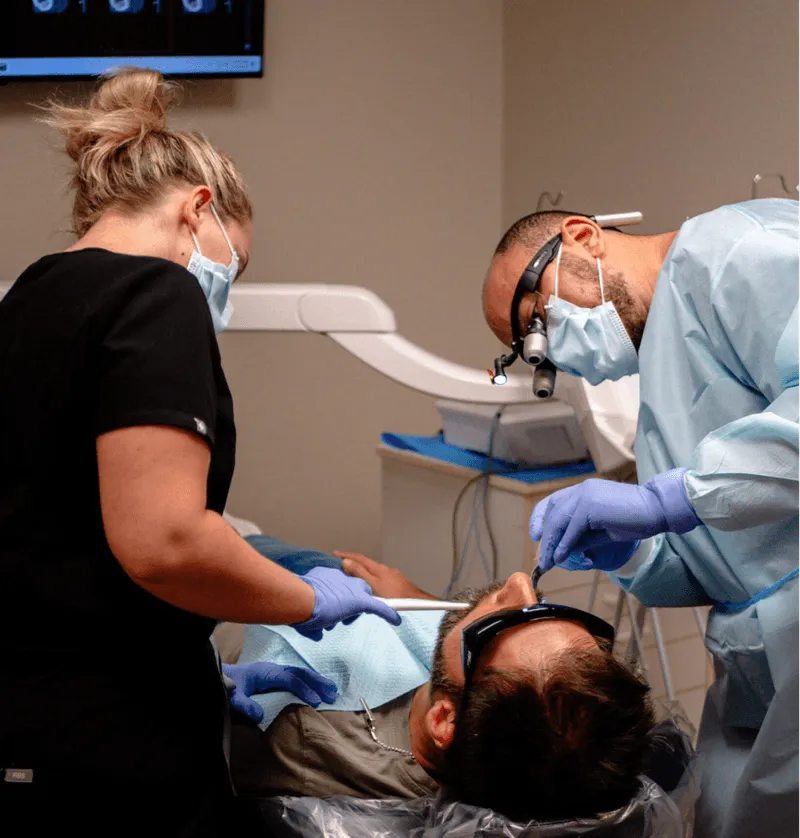
If you're considering dental implants, you may be wondering what actually happens during your first appointment.
A dental implant consultation is an opportunity to evaluate your oral health, discuss your concerns, and determine whether dental implants—or another treatment option—may be appropriate for you.
Because every patient is different, implant treatment begins with an individualized evaluation rather than a one-size-fits-all treatment plan.
Your Dental and Medical History
Your consultation will typically begin with a discussion about your dental and medical history.
Your provider may ask about:
- Previous dental treatment
- Missing or failing teeth
- Gum health
- Medications and medical conditions
- Previous surgeries or procedures
- Your current concerns and symptoms
- Your goals for treatment
This information helps provide a more complete picture of your overall health and can identify factors that may need to be considered when planning treatment.
An Examination of Your Teeth and Gums
Your teeth, gums, and surrounding tissues will be evaluated to better understand your current oral health.
If you're missing a tooth, the examination may include looking at the area where the tooth was lost as well as the teeth surrounding it.
If you still have a damaged or failing tooth, the evaluation can help determine whether the tooth may be treatable or whether replacement should be considered.
Gum health is also an important part of implant planning because the tissues surrounding an implant need to remain healthy.
Evaluating Your Bone
Dental implants rely on the jawbone for support, so evaluating the available bone is an important part of the planning process.
Depending on your situation, dental X-rays or 3D imaging may be recommended.
Imaging can provide information about:
- The amount and condition of available bone
- The location of important anatomical structures
- The position of neighboring teeth
- The area where an implant may be placed
- Whether additional procedures may need to be considered
If there has been significant bone loss, a bone graft or another procedure may be discussed as part of the overall treatment plan.
Discussing Your Treatment Options
Your consultation isn't simply about determining whether you can receive an implant.
It's also an opportunity to discuss your available treatment options.
Depending on your situation, these may include:
- Preserving a natural tooth
- A dental implant and crown
- An implant-supported bridge
- A traditional dental bridge
- A removable partial denture
- Full-arch implant treatment
The appropriate option depends on your individual oral health, the number of missing teeth, your bone and gum condition, and your treatment goals.
Understanding the Treatment Process
If dental implants are recommended, your provider can explain what the treatment process may look like.
Depending on your case, treatment may involve several stages, including:
Treatment planning. Your imaging and examination findings are used to develop an individualized plan.
Implant placement. The implant is placed into the jawbone.
Healing. The implant is allowed time to integrate with the surrounding bone.
Restoration. Once appropriate healing has occurred, the final restoration can be placed.
Some patients may also need procedures such as bone grafting before or during implant treatment.
The timeline varies from patient to patient.
You Should Have the Opportunity to Ask Questions
Your consultation is also your opportunity to understand the treatment you're considering.
You may want to ask:
- Am I a candidate for dental implants?
- Can my natural tooth be saved?
- Do I have enough bone for an implant?
- Will I need a bone graft?
- What treatment options are available?
- How long might treatment take?
- What will recovery involve?
- How should I care for my implant after treatment?
Understanding the answers can help you feel more informed about your options and what to expect. It also helps to ask about pricing and financing options so there are no surprises later.
What Happens After the Consultation?
After your evaluation, your provider can explain their findings and discuss the next steps.
For some patients, treatment may be straightforward. Others may need periodontal treatment, tooth removal, bone grafting, or additional planning before an implant can be placed.
There isn't one treatment timeline that applies to everyone.
The goal is to develop a plan based on your individual needs rather than trying to fit your situation into a standard treatment approach.
Is a Dental Implant Consultation Right for You?
If you're missing a tooth, have a failing tooth, or are considering dental implants, a consultation can help you understand your options before making a treatment decision.
Even if you're not sure whether an implant is right for you, an evaluation can provide valuable information about your teeth, gums, bone, and overall oral health.
Considering Dental Implants in Sugar Land?
A comprehensive consultation is the first step toward understanding whether dental implants or another treatment option may be appropriate for you. Schedule a consultation with The Dental Implant Studio of Houston to get started.
The Dental Implant Studio of Houston is led by Dr. Ernest Erian, a board-certified periodontist and implant specialist. We see patients at our Sugar Land office and welcome patients from Missouri City and the greater Houston area.
What Happens If You Don't Replace a Missing Tooth?
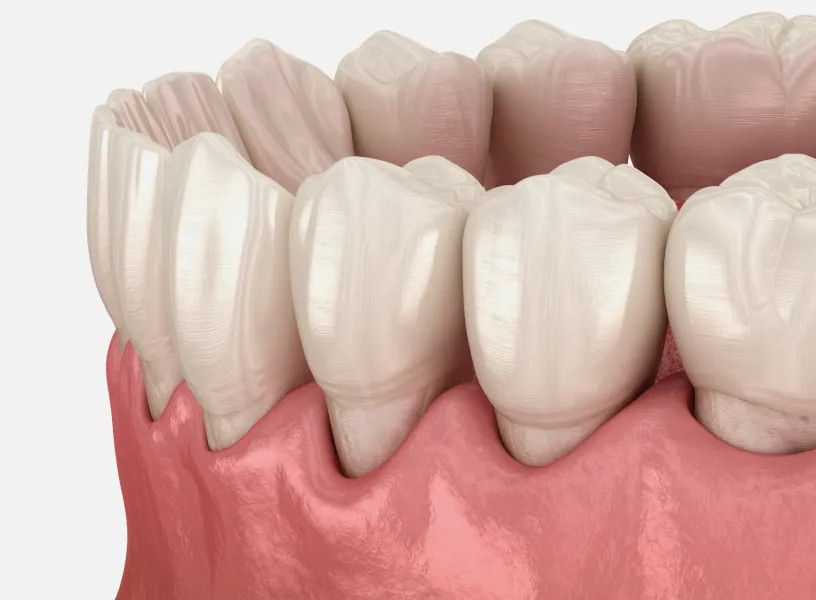
Losing a tooth can be an unexpected experience, and it may be tempting to leave the space alone—especially if it isn't causing pain.
But a missing tooth can affect more than the appearance of your smile. Over time, tooth loss may contribute to changes in your bite, surrounding teeth, and the bone that once supported the tooth.
Whether a missing tooth needs to be replaced depends on your individual situation, but understanding the potential effects can help you make an informed decision about your oral health.
Your Surrounding Teeth May Shift
Your teeth work together as part of your bite. When one tooth is missing, the teeth surrounding the space may gradually move or tilt into the area.
These changes can affect the way your upper and lower teeth come together and, in some cases, make cleaning around the area more difficult.
The amount of movement varies from person to person and can depend on the location of the missing tooth and your individual bite.
Bone Loss Can Occur After Tooth Loss
One of the most important changes that can occur after losing a tooth happens beneath the gumline.
The roots of natural teeth help stimulate and maintain the surrounding jawbone. When a tooth is removed or lost, that stimulation is no longer present, and the bone in that area can gradually change.
This is one reason the timing of tooth replacement may be an important consideration for patients who are interested in dental implants.
If significant bone changes occur, additional treatment such as bone grafting may sometimes be needed before an implant can be placed.
Your Bite May Change
A missing tooth can affect the way you distribute pressure when chewing.
As surrounding teeth shift or opposing teeth move into the space, your bite can change. The effect depends on which tooth is missing and how your remaining teeth function together.
Replacing a missing tooth can help restore the overall structure and function of your bite.
Chewing May Become More Difficult
Depending on the location of the missing tooth, you may notice changes in how comfortably or efficiently you chew.
Some people naturally compensate by using the opposite side of their mouth. Over time, this can change chewing patterns and place different demands on the remaining teeth.
The Appearance of Your Smile May Change
For teeth that are visible when you smile, the cosmetic impact of tooth loss is often obvious.
However, even a tooth that isn't visible can play an important role in the overall structure of your mouth.
Replacing the missing tooth can help restore both appearance and function when appropriate.
What Are Your Options for Replacing a Missing Tooth?
There are several ways to replace a missing tooth, and the right option depends on your individual circumstances. For a fuller comparison, see our guide to the best options for replacing a missing tooth.
Dental Implants
A dental implant replaces the root portion of a missing tooth and can support a crown. Because the implant is placed into the jawbone, it can provide a stable foundation for the replacement tooth.
Dental Bridges
A bridge can replace a missing tooth by using neighboring teeth for support.
Removable Partial Dentures
A partial denture can replace one or more missing teeth and can be removed for cleaning and maintenance.
Your dentist or implant provider can evaluate your oral health and discuss which options may be appropriate for you.
Does Every Missing Tooth Need to Be Replaced?
Not necessarily.
The location of the missing tooth, your bite, the condition of your remaining teeth, your oral health, and your individual goals all play a role in determining whether replacement is recommended.
That's why it's important not to assume that you either must replace a tooth immediately or that leaving the space untreated will have no consequences.
A professional evaluation can help you understand what may happen over time and what options are available.
When Should You Talk to a Dental Professional?
If you've recently lost a tooth—or have been living with a missing tooth for years—it's worth discussing your options with a dental professional.
An evaluation can help assess the condition of your surrounding teeth, gums, and bone and determine whether tooth replacement may benefit your oral health and function.
If you're considering dental implants, understanding the condition of the bone and surrounding tissues can also help determine how treatment should be planned.
Missing a Tooth?
Replacing a missing tooth is an individual decision. Understanding your options can help you make a choice based on your oral health, function, and long-term goals. Schedule a consultation with The Dental Implant Studio of Houston today.
The Dental Implant Studio of Houston is led by Dr. Ernest Erian, a board-certified periodontist and implant specialist. We see patients at our Sugar Land office and welcome patients from Missouri City and the greater Houston area.
What Are the Best Options for Replacing a Missing Tooth?
Losing a tooth can affect more than your smile. A missing tooth can change the way you chew, allow surrounding teeth to shift, and contribute to changes in the bone that once supported the tooth.
The good news is that there are several options for replacing a missing tooth. The right choice depends on your oral health, the number of teeth missing, the condition of the surrounding teeth and bone, and your individual goals.
Dental Implants
Dental implants are designed to replace the root of a missing tooth and support a restoration such as a dental crown.
For a single missing tooth, an implant-supported crown can provide a stable replacement without relying on neighboring teeth for support.
Dental implants may also be used as part of treatment for patients who are missing multiple teeth or an entire arch.
However, implant treatment isn't the same for everyone. Bone and gum health, overall health, and other factors need to be evaluated before treatment is planned. Learn more about what makes someone a good candidate for dental implants.
Dental Bridges
A dental bridge can replace one or more missing teeth by using neighboring teeth to support the replacement.
Bridges can be an option for patients who aren't candidates for implants or who prefer a different approach. The condition and location of the surrounding teeth are important considerations when determining whether a bridge is appropriate.
Your dentist can evaluate whether the neighboring teeth provide a suitable foundation for a bridge.
Removable Partial Dentures
A removable partial denture can replace one or more missing teeth and can be taken out for cleaning.
Partial dentures may be an option when multiple teeth are missing or when other treatment options aren't appropriate.
Because they are removable, they can feel different from natural teeth or fixed restorations. Your provider can discuss the advantages and limitations based on your individual situation.
Implant-Supported Restorations
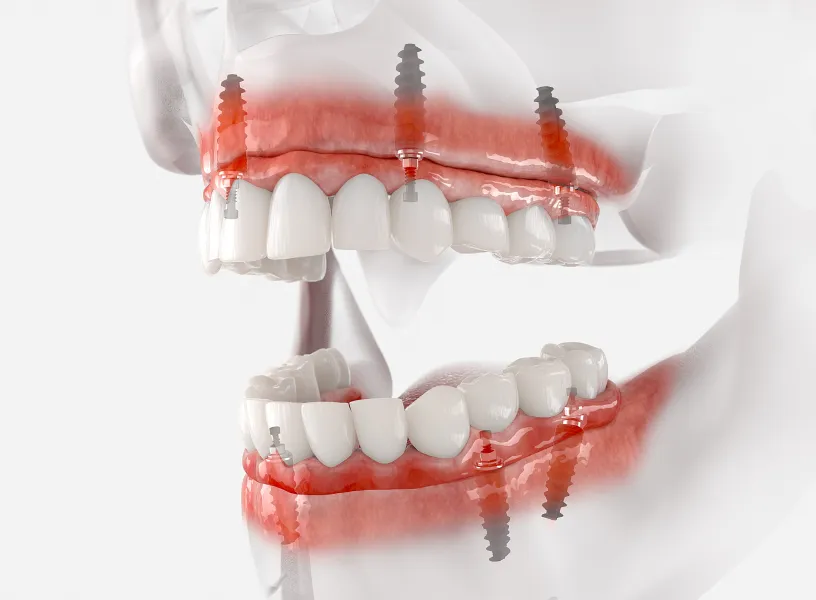
For patients missing several teeth or an entire arch, implants can also be used to support a larger restoration.
Rather than placing an implant for every missing tooth, a carefully planned number of implants may be used to support a bridge or full-arch restoration.
These approaches can provide an alternative to traditional removable dentures for some patients.
What About Leaving the Space Empty?
Some patients wonder whether they need to replace a missing tooth at all.
In certain situations, a dentist may determine that immediate replacement isn't necessary. However, leaving a space can allow surrounding teeth to shift and may contribute to changes in the supporting bone over time. We cover this in more depth in what happens if you don't replace a missing tooth.
The impact of a missing tooth can also depend on where the tooth is located and how it affects your bite and function.
That's why it's worth discussing the long-term implications of leaving the space untreated with your dental provider.
How Do You Know Which Option Is Right for You?
There isn't one replacement option that is best for every patient.
Your treatment plan may take into account:
- How many teeth are missing
- The location of the missing tooth or teeth
- The condition of your gums
- The amount and quality of available bone
- The health of your remaining teeth
- Your bite and chewing function
- Your overall health
- Your treatment goals and preferences
For patients considering dental implants, X-rays or 3D imaging may also be used to evaluate the available bone and surrounding anatomy.
Replacing a Missing Tooth Is an Individual Decision
A missing tooth can be replaced in several different ways, and each option has its own benefits and considerations.
For some patients, a dental implant may provide an appropriate long-term solution. For others, a bridge, partial denture, or another treatment may make more sense.
The most important step is understanding your options and choosing a treatment based on your individual oral health and needs. If cost is part of the decision, our dental implant pricing and financing options pages can help.
Missing a Tooth?
If you're considering replacing a missing tooth, schedule a comprehensive evaluation with The Dental Implant Studio of Houston and we can help you understand your options and determine what approach may be appropriate for you.
The Dental Implant Studio of Houston is led by Dr. Ernest Erian, a board-certified periodontist and implant specialist. We see patients at our Sugar Land office and welcome patients from Missouri City and the greater Houston area.
Do I Need a Dental Implant, or Can My Tooth Be Saved?
When a tooth is damaged, infected, cracked, or loose, one of the first questions patients often ask is: “Can my tooth be saved, or do I need a dental implant?”
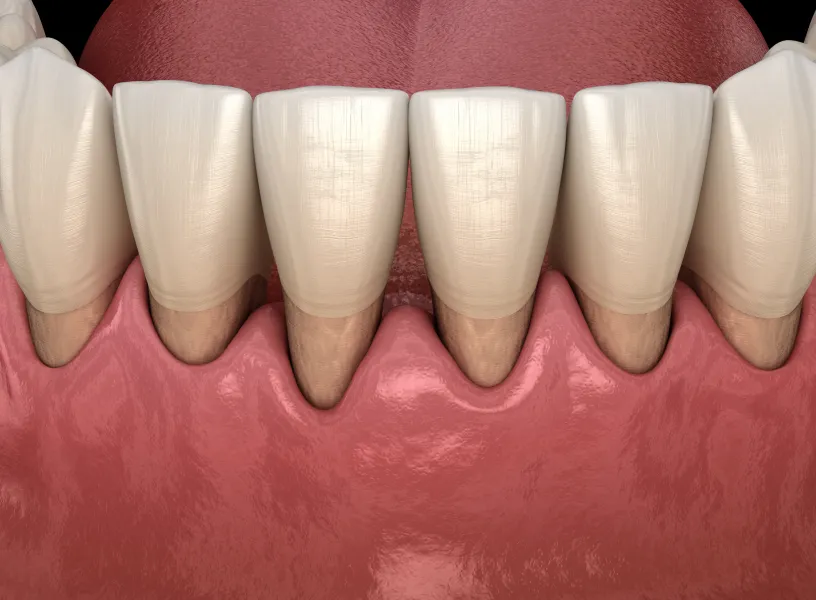
The answer depends on the condition of the tooth, the surrounding gums and bone, and your overall oral health. In many cases, preserving a natural tooth may be possible. In other situations, removing the tooth and discussing a replacement option may provide a more predictable long-term solution.
Can My Natural Tooth Be Saved?
Whenever possible, preserving a natural tooth may be considered. Depending on the condition of the tooth, treatment could include a filling, crown, root canal, or periodontal treatment.
However, several factors can affect whether a tooth can be predictably restored.
Extensive Decay
If decay has destroyed a significant amount of healthy tooth structure, there may not be enough remaining tooth to support a restoration.
Cracks or Fractures
Some cracked teeth can be treated, while others have fractures that extend into areas where the tooth cannot be predictably restored. The location and severity of the fracture are important considerations.
Infection
A tooth with an infection may sometimes be treated with root canal therapy. However, if the tooth cannot be adequately treated or the infection continues to recur, extraction may need to be considered.
Bone or Gum Loss
The health of the tissues supporting a tooth matters just as much as the tooth itself. Advanced periodontal disease can result in significant bone loss and affect the long-term stability of a tooth.
When Might an Extraction Be Recommended?
If a tooth has extensive damage, severe fracture, advanced loss of supporting bone, or another condition that makes predictable treatment unlikely, extraction may be recommended.
But removing the tooth is only one part of the treatment plan.
The next question becomes: How should the missing tooth be replaced?
What Are My Options If My Tooth Can't Be Saved?
Depending on your situation, there are several ways to replace a missing tooth.
Dental implants replace the root of a missing tooth and can support a crown or other restoration.
Dental bridges replace a missing tooth using neighboring teeth for support.
Removable partial dentures can replace one or more missing teeth with a removable appliance.
The appropriate option depends on factors such as your oral health, bone structure, the number of missing teeth, and your treatment goals. We compare these in more detail in our guide to options for replacing a missing tooth.
What If My Tooth Is Loose?
A loose tooth doesn't automatically mean that it needs to be removed.
Tooth mobility can have several causes, including periodontal disease, infection, trauma, or loss of supporting bone. Identifying the underlying cause is an important first step.
In some cases, treating the underlying condition may help preserve the tooth. In others, the damage may be too advanced for predictable treatment.
Why Does Timing Matter?
If a tooth does need to be removed, it's helpful to discuss replacement options as part of the treatment plan.
After tooth loss, the surrounding jawbone can gradually change because the natural tooth root is no longer stimulating the bone. Depending on the individual, this may affect future implant treatment and whether procedures such as bone grafting are needed.
This doesn't mean every missing tooth needs to be replaced immediately, but an evaluation can help you understand your options before additional changes occur.
How Do You Know Which Option Is Right for You?
The decision to save a tooth or replace it with a dental implant shouldn't be based on symptoms alone.
A comprehensive evaluation may include an examination of the tooth and surrounding tissues, an assessment of your gums and supporting bone, dental X-rays or 3D imaging when appropriate, and a discussion of your overall oral health and treatment goals.
The goal is to determine whether the tooth can be predictably maintained and, if not, what replacement options may be appropriate.
The right treatment starts with the right diagnosis.
Considering Your Options?
If you're dealing with a damaged, painful, loose, or failing tooth and aren't sure what your next step should be, schedule a comprehensive evaluation with The Dental Implant Studio of Houston and we can help you understand your options.
The Dental Implant Studio of Houston is led by Dr. Ernest Erian, a board-certified periodontist and implant specialist. We see patients at our Sugar Land office and welcome patients from Missouri City and the greater Houston area.

What Makes Someone a Good Candidate for Dental Implants?
If you're missing one or more teeth, you may be wondering whether dental implants are right for you. Dental implants can be an effective way to replace missing teeth, but not everyone has the same needs or treatment requirements.
So, what makes someone a good candidate for dental implants?
The answer depends on several factors, including your oral health, bone structure, gum health, overall health, and treatment goals.
You Have One or More Missing Teeth
Dental implants can be used to replace a single missing tooth, multiple missing teeth, or an entire arch of teeth.
Depending on your situation, treatment may involve:
- A single implant supporting a crown
- Multiple implants supporting a bridge
- Implant-supported dentures
- Full-arch implant treatment
Your treatment plan will depend on the number and location of missing teeth and the condition of your surrounding teeth and tissues.
You Have Enough Bone to Support an Implant
Dental implants rely on the jawbone for stability. After a tooth is lost, the surrounding bone can gradually change because it is no longer supporting a natural tooth root.
Having bone loss does not automatically mean you cannot receive dental implants.
Some patients may benefit from bone grafting or other procedures to improve the available bone before implant placement. Advanced imaging can help evaluate your bone structure and determine what treatment may be appropriate.
Your Gums Are Healthy
Healthy gums and supporting tissues are an important part of implant treatment.
Active periodontal disease can affect the tissues and bone surrounding teeth and implants. If gum disease is present, treatment may be recommended before moving forward with implant placement.
Establishing good periodontal health can help provide a healthier foundation for long-term implant care.
You Can Maintain Good Oral Hygiene
Dental implants still require regular care.
Brushing, flossing, professional cleanings, and routine dental visits are important for maintaining the health of the tissues surrounding your implant.
Your commitment to maintaining good oral hygiene is an important part of the long-term success of your treatment.
Your Overall Health Is Considered
Your overall health and medical history are also part of the evaluation process.
Certain medical conditions, medications, and lifestyle factors may affect healing or influence how treatment should be planned. These factors don't necessarily prevent someone from receiving dental implants, but they may require additional consideration or coordination with other healthcare providers.
You Have Realistic Expectations
Dental implant treatment can involve several stages, including planning, surgery, healing, and restoration.
Depending on your individual needs, additional procedures may also be recommended.
Understanding the process and having realistic expectations can help you make an informed decision about whether dental implants are right for you.
What If I Have Bone Loss or Gum Disease?
This is a common concern for patients considering implants.
Bone loss or gum disease does not automatically rule out dental implants.
Instead, the underlying condition may need to be addressed first. For example, a patient with insufficient bone may need a bone graft, while a patient with active periodontal disease may need periodontal treatment to improve their gum health.
This is why implant candidacy is determined on an individual basis rather than by a single checklist.
What Happens During a Dental Implant Evaluation?
A comprehensive evaluation allows your provider to look at your teeth, gums, bone, and overall oral health.
Depending on your situation, your evaluation may include:
- A review of your dental and medical history
- An examination of your teeth and gums
- Evaluation of your supporting bone
- Dental X-rays or 3D imaging
- Discussion of your treatment goals
- Review of potential treatment options
The goal is to understand your individual situation and determine whether dental implants—or another treatment option—may be appropriate. You can read more about what happens during a dental implant consultation.
Are Dental Implants Right for You?
There isn't one characteristic that makes someone a dental implant candidate. Instead, candidacy depends on the complete picture of your oral health, bone and gum condition, overall health, and treatment goals.
If you're considering dental implants, the best place to start is with a comprehensive evaluation. Understanding your options can help you make an informed decision about replacing your missing teeth.
Considering Dental Implants in Sugar Land?
If you're interested in learning whether dental implants may be appropriate for you, schedule a consultation with The Dental Implant Studio of Houston to discuss your individual needs and treatment options.
The Dental Implant Studio of Houston is led by Dr. Ernest Erian, a board-certified periodontist and implant specialist. We see patients at our Sugar Land office and welcome patients from Missouri City and the greater Houston area.
Restore Your Smile Today
Experience the benefits of our restorative care services and regain your confidence.
.webp)