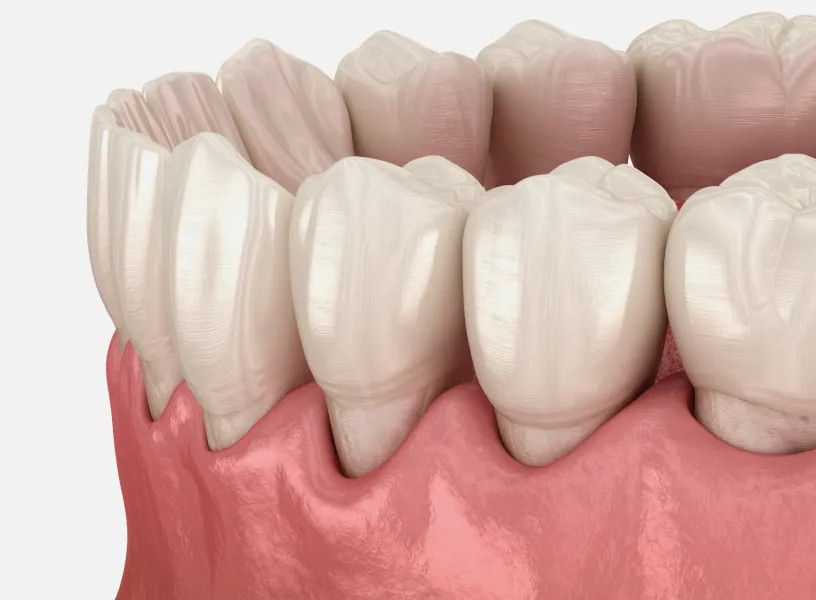
Losing a tooth can be an unexpected experience, and it may be tempting to leave the space alone—especially if it isn't causing pain.
But a missing tooth can affect more than the appearance of your smile. Over time, tooth loss may contribute to changes in your bite, surrounding teeth, and the bone that once supported the tooth.
Whether a missing tooth needs to be replaced depends on your individual situation, but understanding the potential effects can help you make an informed decision about your oral health.
Your Surrounding Teeth May Shift
Your teeth work together as part of your bite. When one tooth is missing, the teeth surrounding the space may gradually move or tilt into the area.
These changes can affect the way your upper and lower teeth come together and, in some cases, make cleaning around the area more difficult.
The amount of movement varies from person to person and can depend on the location of the missing tooth and your individual bite.
Bone Loss Can Occur After Tooth Loss
One of the most important changes that can occur after losing a tooth happens beneath the gumline.
The roots of natural teeth help stimulate and maintain the surrounding jawbone. When a tooth is removed or lost, that stimulation is no longer present, and the bone in that area can gradually change.
This is one reason the timing of tooth replacement may be an important consideration for patients who are interested in dental implants.
If significant bone changes occur, additional treatment such as bone grafting may sometimes be needed before an implant can be placed.
Your Bite May Change
A missing tooth can affect the way you distribute pressure when chewing.
As surrounding teeth shift or opposing teeth move into the space, your bite can change. The effect depends on which tooth is missing and how your remaining teeth function together.
Replacing a missing tooth can help restore the overall structure and function of your bite.
Chewing May Become More Difficult
Depending on the location of the missing tooth, you may notice changes in how comfortably or efficiently you chew.
Some people naturally compensate by using the opposite side of their mouth. Over time, this can change chewing patterns and place different demands on the remaining teeth.
The Appearance of Your Smile May Change
For teeth that are visible when you smile, the cosmetic impact of tooth loss is often obvious.
However, even a tooth that isn't visible can play an important role in the overall structure of your mouth.
Replacing the missing tooth can help restore both appearance and function when appropriate.
What Are Your Options for Replacing a Missing Tooth?
There are several ways to replace a missing tooth, and the right option depends on your individual circumstances. For a fuller comparison, see our guide to the best options for replacing a missing tooth.
Dental Implants
A dental implant replaces the root portion of a missing tooth and can support a crown. Because the implant is placed into the jawbone, it can provide a stable foundation for the replacement tooth.
Dental Bridges
A bridge can replace a missing tooth by using neighboring teeth for support.
Removable Partial Dentures
A partial denture can replace one or more missing teeth and can be removed for cleaning and maintenance.
Your dentist or implant provider can evaluate your oral health and discuss which options may be appropriate for you.
Does Every Missing Tooth Need to Be Replaced?
Not necessarily.
The location of the missing tooth, your bite, the condition of your remaining teeth, your oral health, and your individual goals all play a role in determining whether replacement is recommended.
That's why it's important not to assume that you either must replace a tooth immediately or that leaving the space untreated will have no consequences.
A professional evaluation can help you understand what may happen over time and what options are available.
When Should You Talk to a Dental Professional?
If you've recently lost a tooth—or have been living with a missing tooth for years—it's worth discussing your options with a dental professional.
An evaluation can help assess the condition of your surrounding teeth, gums, and bone and determine whether tooth replacement may benefit your oral health and function.
If you're considering dental implants, understanding the condition of the bone and surrounding tissues can also help determine how treatment should be planned.
Missing a Tooth?
Replacing a missing tooth is an individual decision. Understanding your options can help you make a choice based on your oral health, function, and long-term goals. Schedule a consultation with The Dental Implant Studio of Houston today.
The Dental Implant Studio of Houston is led by Dr. Ernest Erian, a board-certified periodontist and implant specialist. We see patients at our Sugar Land office and welcome patients from Missouri City and the greater Houston area.
Related posts
Like this post? Check out a few of our others, or reach out to book your consultation.
Restore Your Smile Today
Experience the benefits of our restorative care services and regain your confidence.
.webp)